
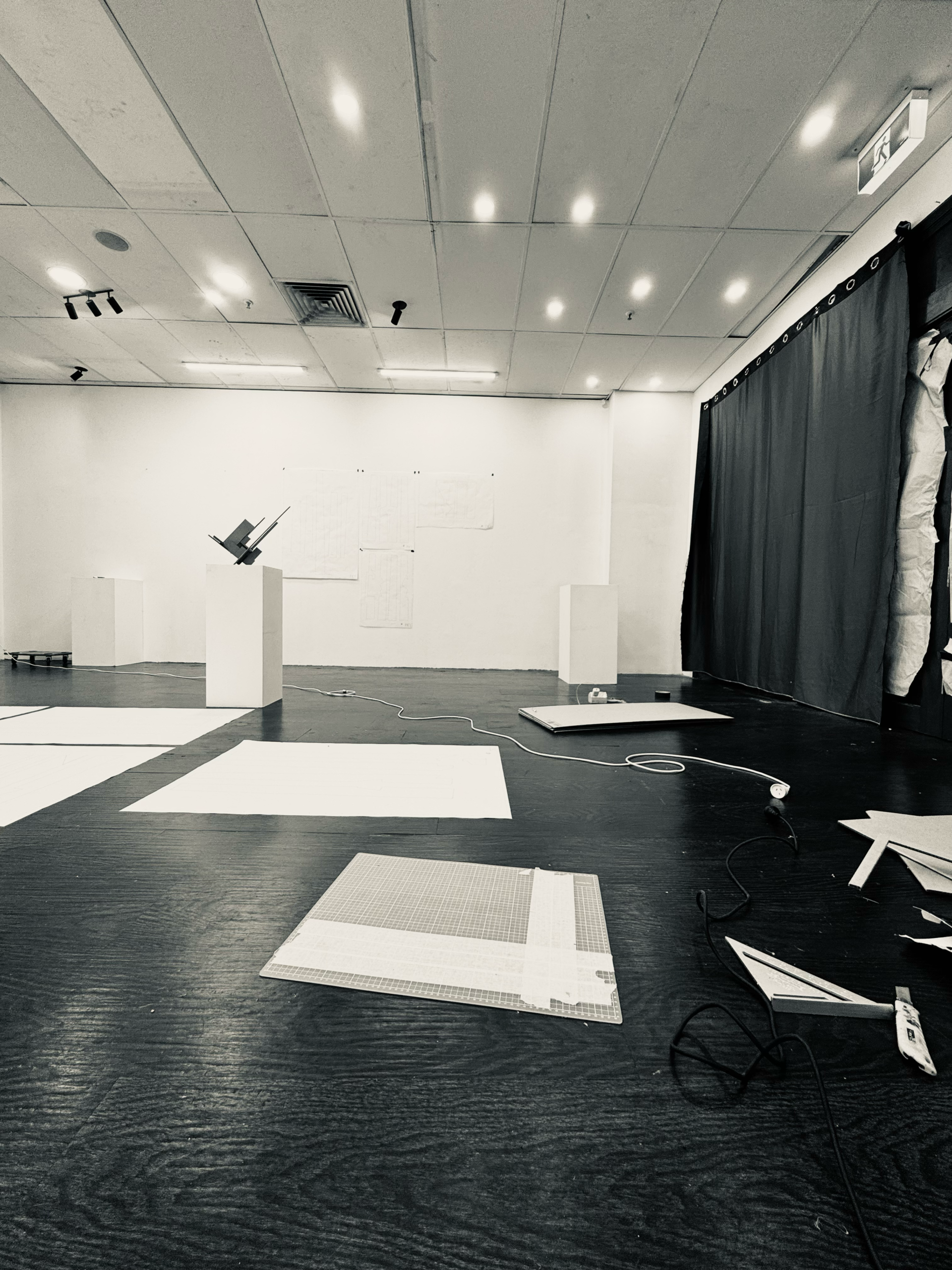
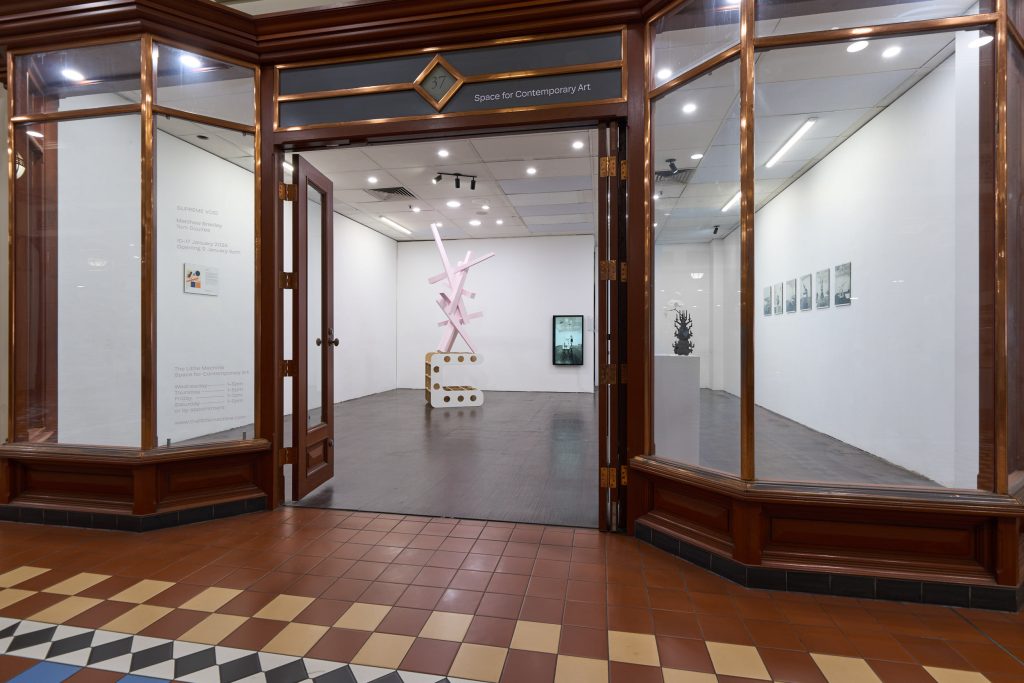
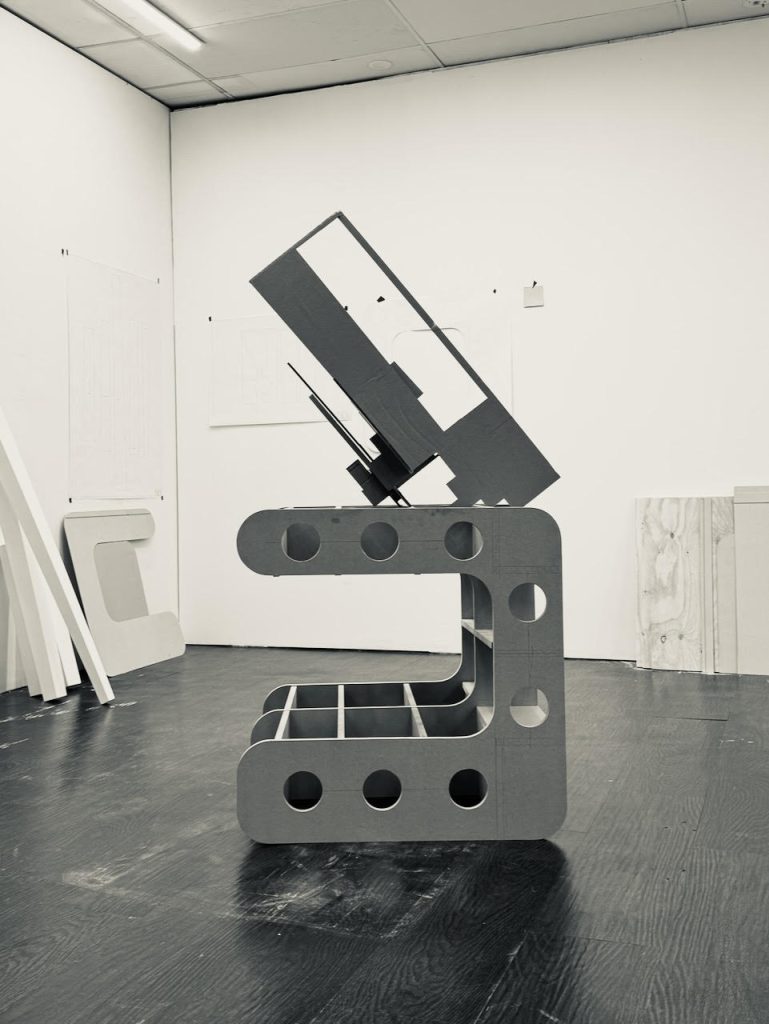
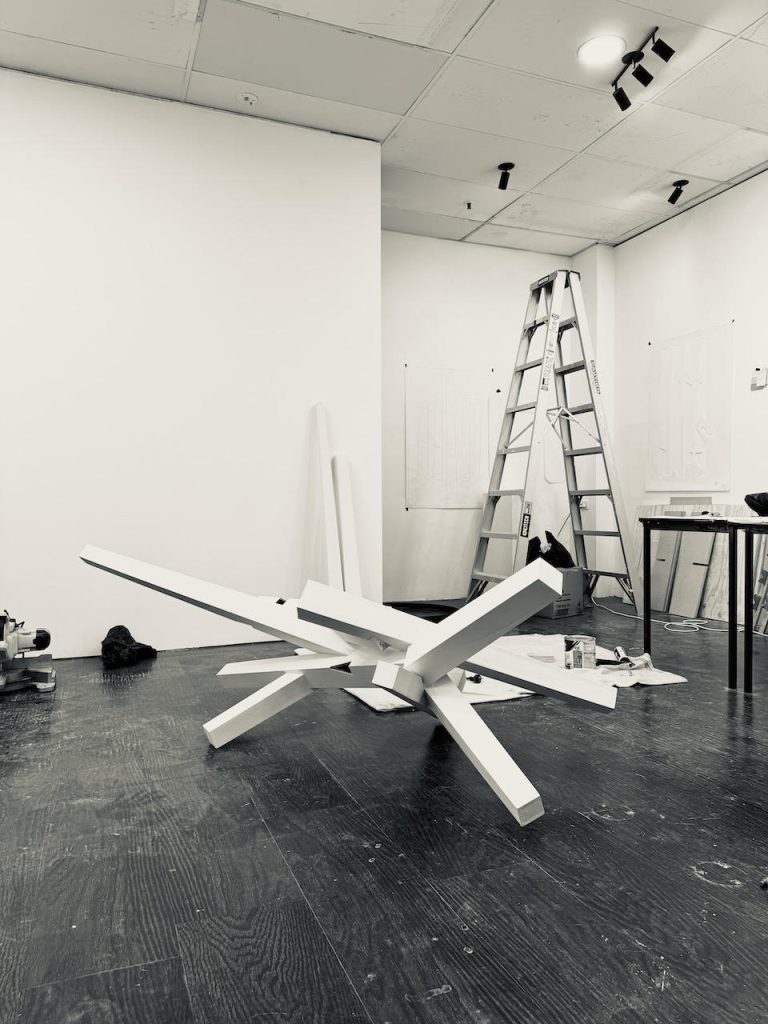
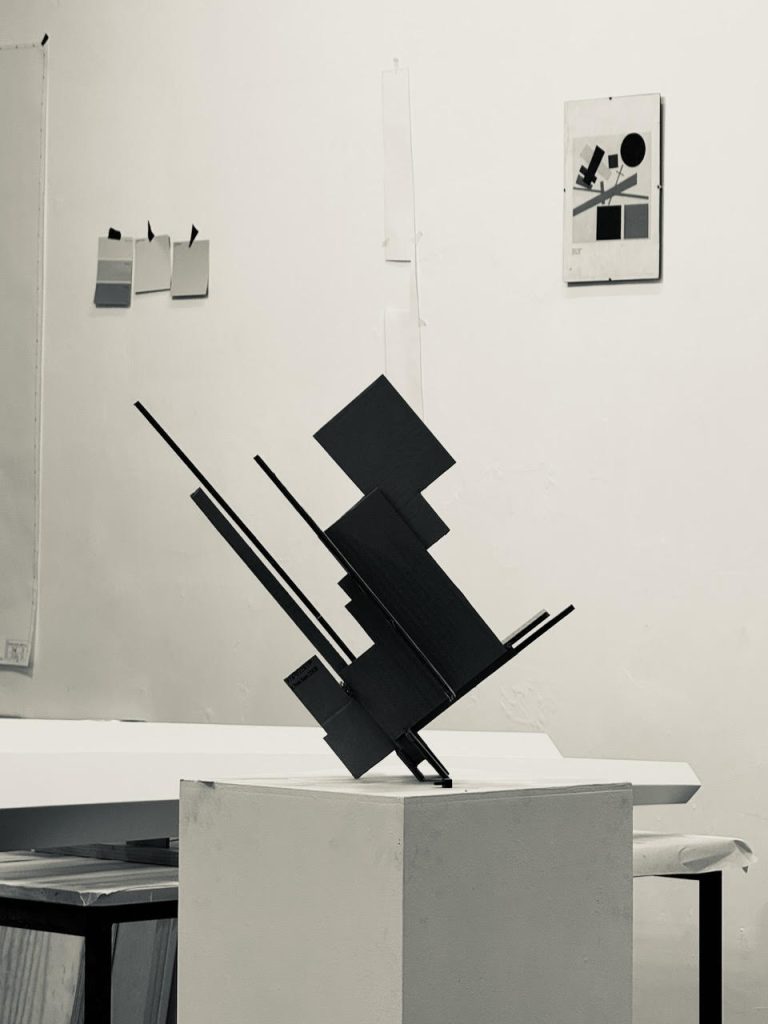
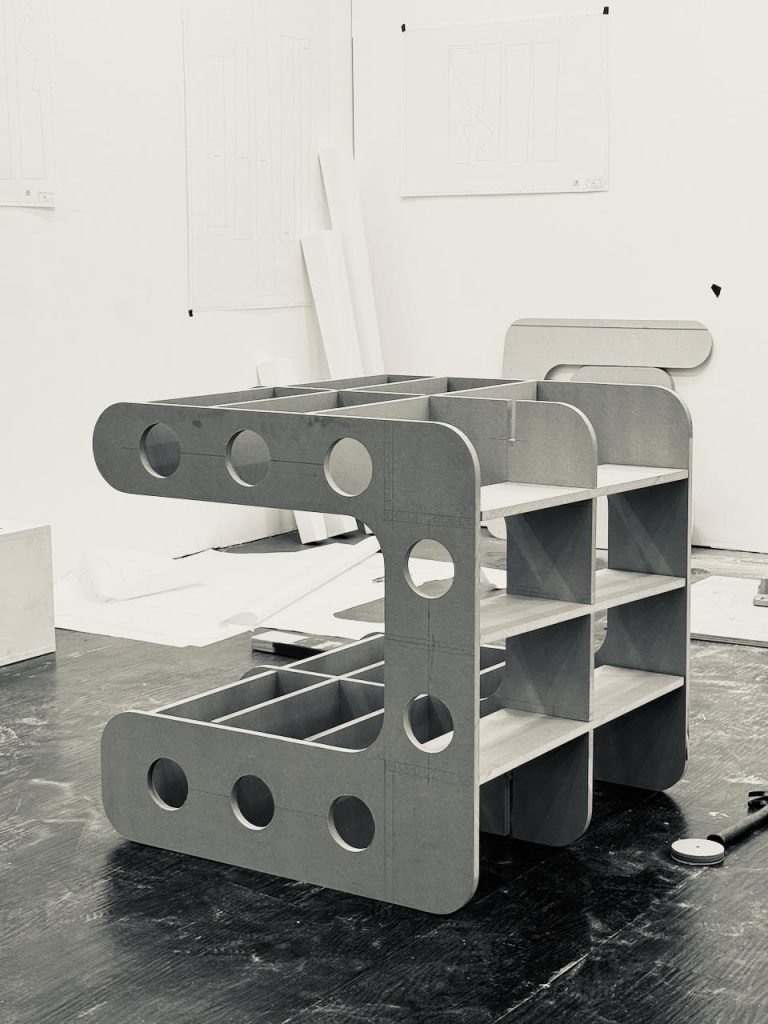
During our summer break, artist Matthew Bradley has taken over the gallery space to conceptualise and construct a new work. Join him for the opening of Supreme Void on Friday 9 January, 6pm, 2026.
Artists
Matthew Bradley
Tom Squires
Opening
Friday 9 January 6pm, all welcome
Exhibition
10-17 January 2026
Opening times (one week only!)
Friday 9 January: 6pm-8pm
Saturday 10 January: 1-5pm
Monday 12 January: 1-5pm
Tuesday 13 January: 1-5pm
Wednesday 14 January: 1-5pm
Thursday 15 January: 1-5pm
Friday 16 January: 1-7pm
Saturday 17 January: 1-5pm
Artist statement
“This exhibition treats the gallery as a deliberate enclosure: a bounded infinity. The work originates in these rooms and remains oriented toward them, resisting the habitual pull of external reference or application. The space functions as studio and gallery simultaneously; both origin and destination; a contained field in which forms emerge directly from the immediate conditions of making and viewing, rather than arriving pre-loaded with obligations from elsewhere. While historical precedents and structural awareness inevitably inform the process, the aim is to minimize importation: no fixed narrative, no prescriptive agenda, no demand for utility beyond the encounter itself. What appears here seeks to leave no instrumental residue, no message to carry away, no position to defend outside these walls.
This same enclosure, this deliberate resistance to external recruitment, is what Kazimir Malevich achieves in the Suprematist works. The black square, the white field, white on white, surface upon surface, until paint becomes pure event, indifferent to illustration or expression; pure sensation. These are exits from historical time into a zone outside of time; not a style or position to be placed within culture, but a sustained interruption where sensation precedes interpretation and form is felt before it is named.
Malevich understands that the moment art is drawn into the forward march of history, revolutionary or reactionary, it ceases to be art and becomes instrument. The works do not begin with a position already taken, a meaning already fixed. If it enters the gallery trailing its convictions, demanding agreement, measuring success by impact or offence; that is politics, which belongs wholly to a conventional, institutional idea of time; which requires succession, cause and effect, allies and enemies, a future to be won. It is the native language of power. The black square holds open this refusal; it remains alive, refusing to be archived or concluded. These works are vehemently apolitical, not because they ignore the world, but because they precede the divisions upon which politics depends. They operate in the space before subject and object, before self and other, before thesis and counter-thesis. These openings cannot be conscripted because they have no handle to grasp. Power is impotent before them, not out of resistance, but out of irrelevance.
These openings align with the Tao Te Ching’s Way (Tao): eternal because it is nameless, powerful because it refuses to grasp, inexhaustible because it does not act with intention. “The Way that can be spoken is not the eternal Way.” The moment the Tao is defined, delimited, or pressed into service: moral, political, or otherwise, it is no longer the Tao. These works function the same way: the instant they are historicized, contextualized, or instrumentalized, they collapse back into the finite, the nameable, the usable.
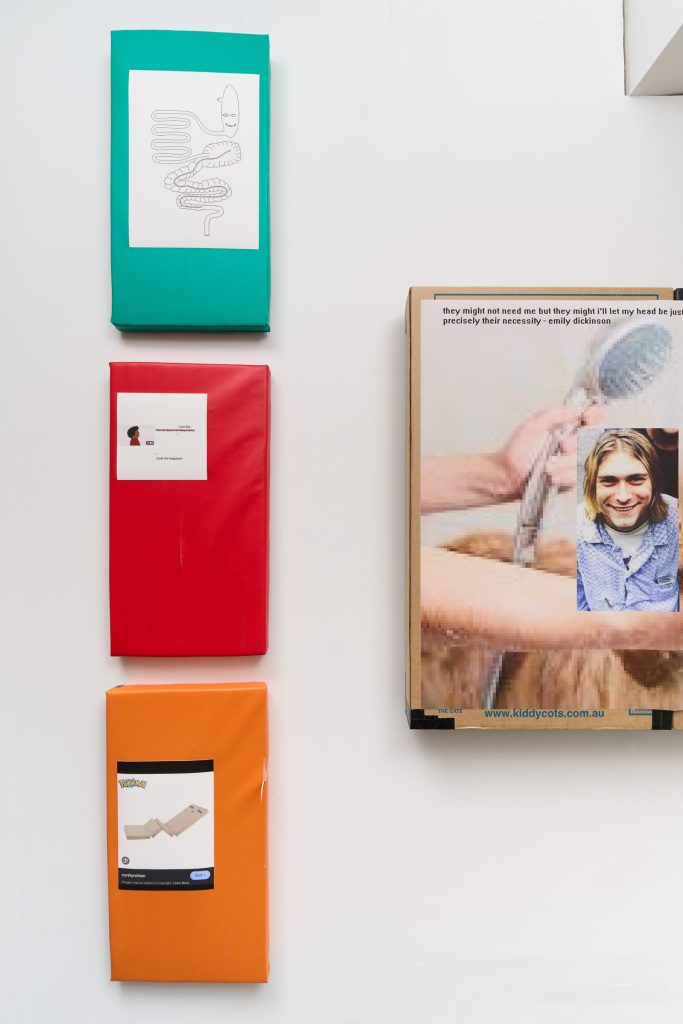
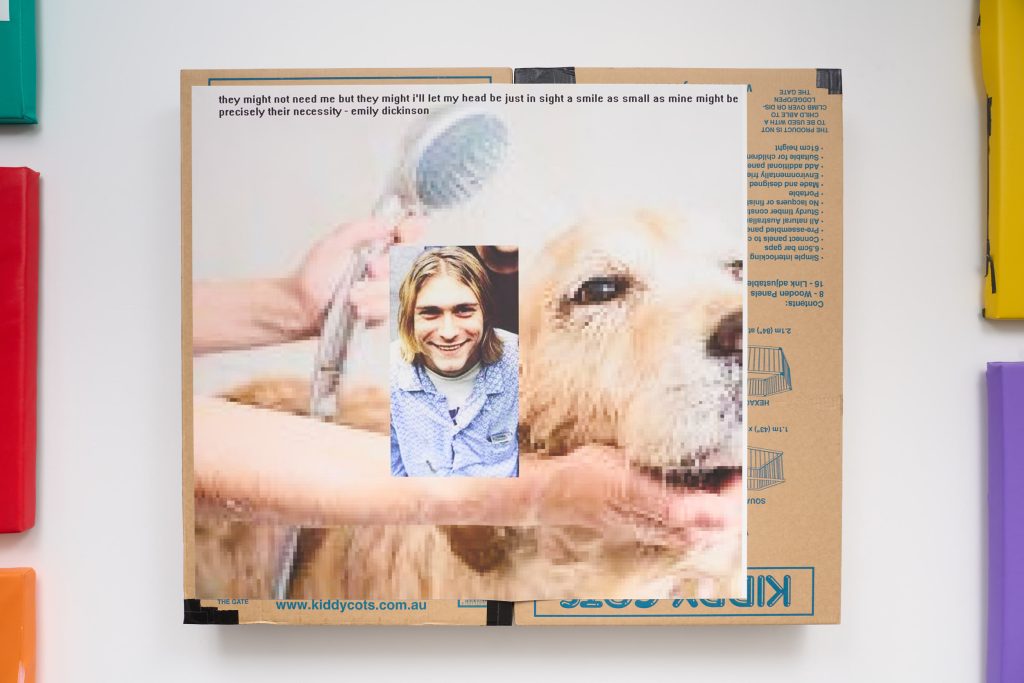
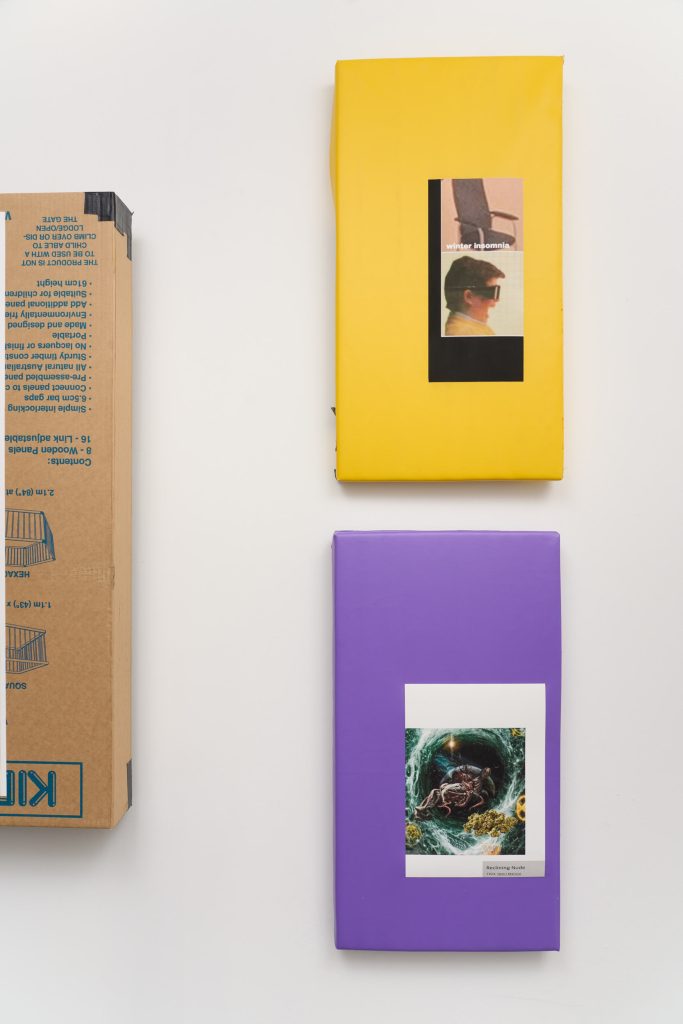
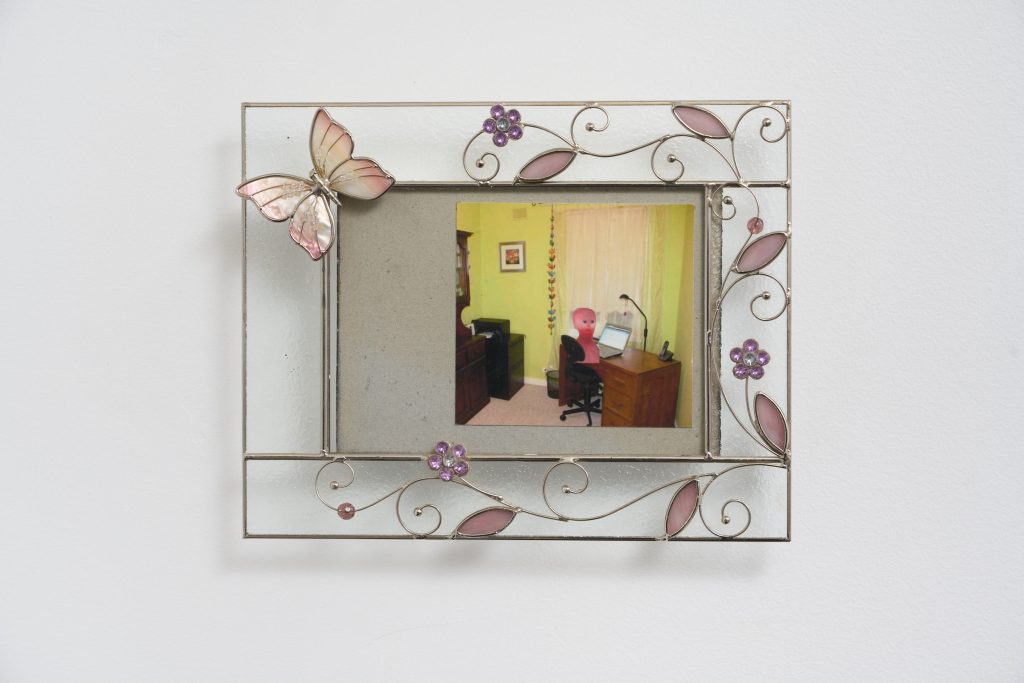
The works in these rooms do not illustrate these ideas, they enact them. They arise from emptiness and subside into emptiness. They take no position, advance no cause, offer no commentary. They simply appear, unhurried, unforced, and allow the viewer, for a moment, to stand outside of time. To encounter them is not to learn something about the world, but to forget, briefly, the world’s names. That forgetting is the only defense art has ever needed against hijacking: not argument, not critique, but absolute refusal to be anything other than itself.
This is enough.”
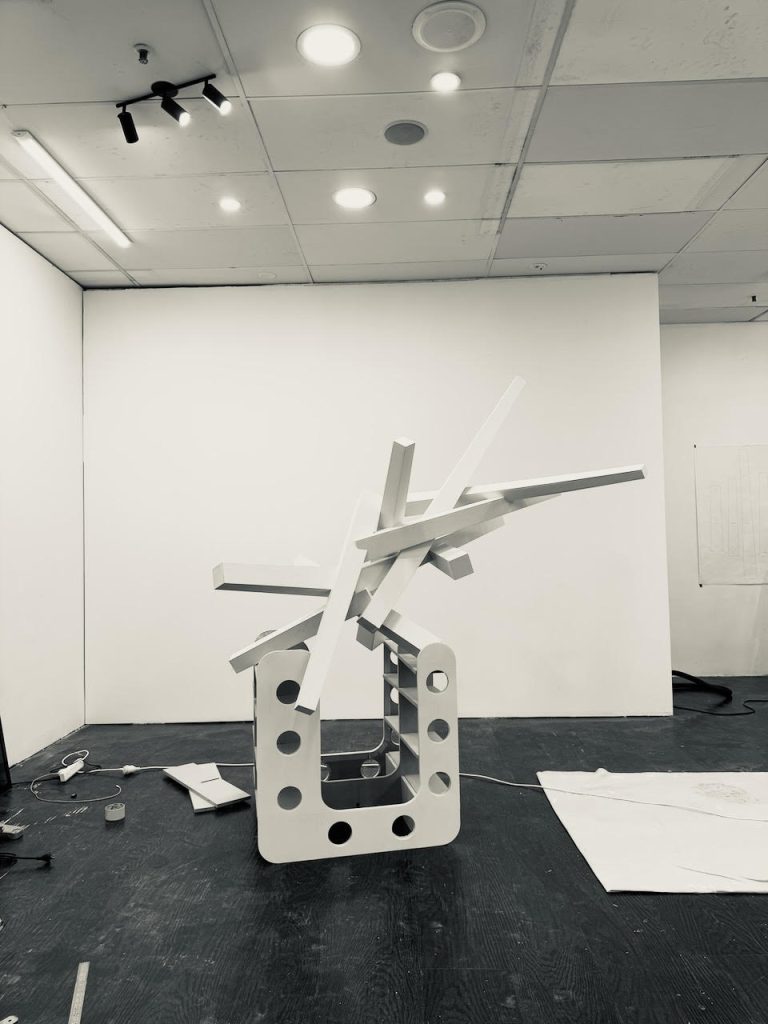
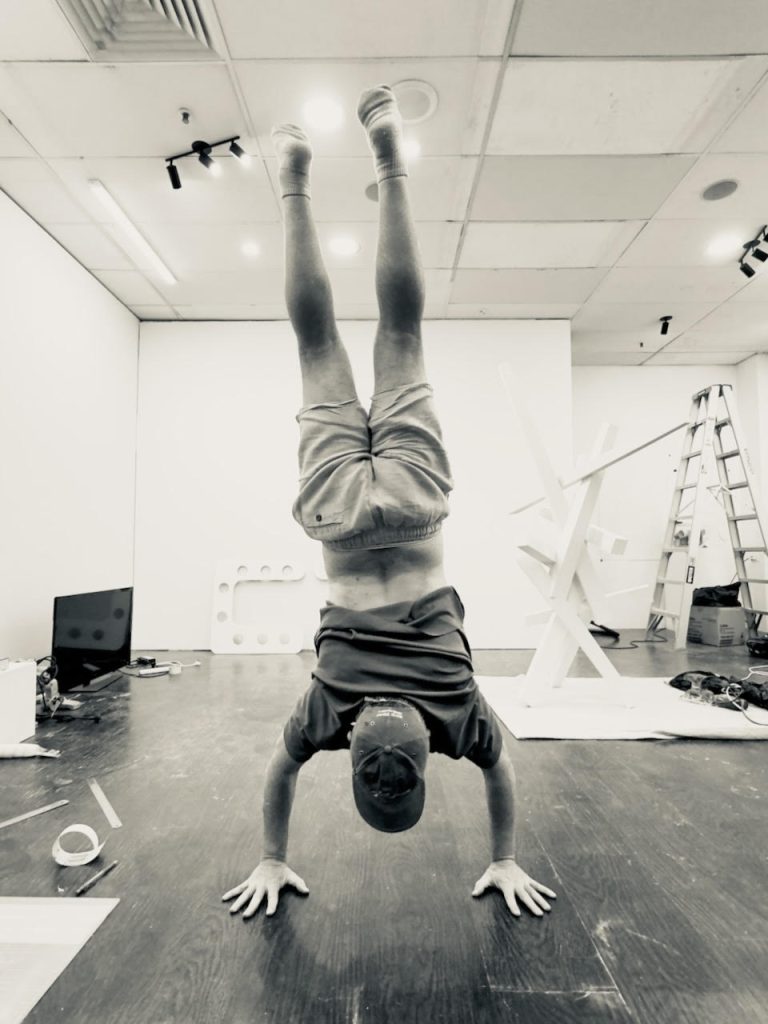
Photography: Matthew Bradley
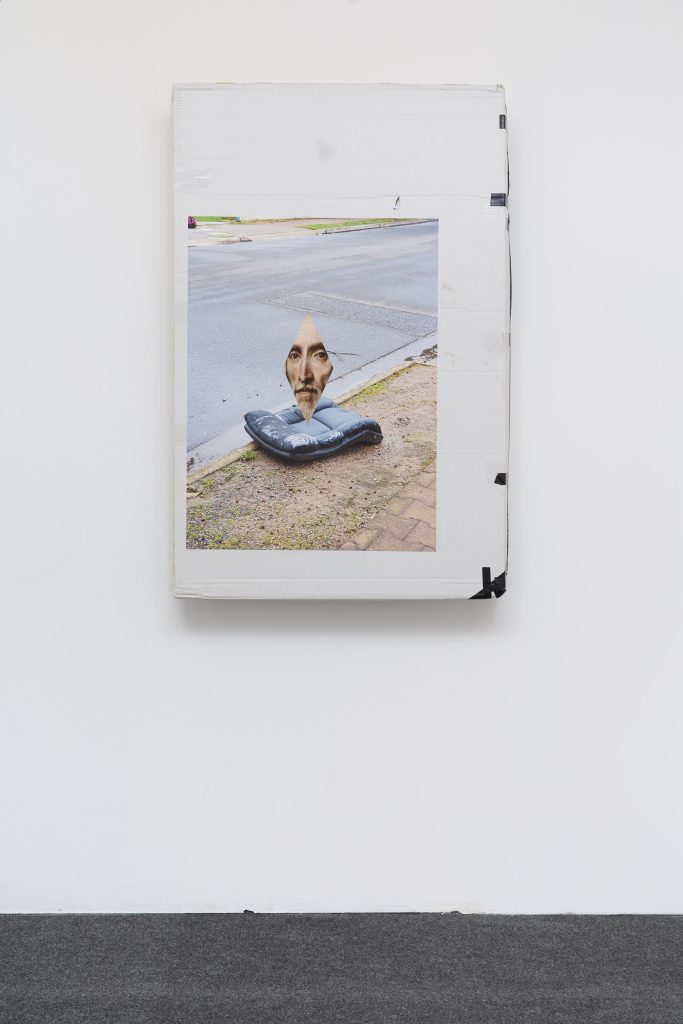
Photography: Sam Roberts unless noted otherwise