
Trigger warning: mention of sexual abuse
No flowers (literal translation of Dutch “onverbloemd”: outspoken, straightforward)
Simone Kennedy is a survivor of sexual abuse and assault. I am too.
Her work is not only shaped by that experience, it also reflects on it.
Very often, at artist talks or in exhibition essays, this aspect of her work is avoided. Concerned about triggering vulnerable people, Simone often remains silent. In the past, openly sharing her works’ full content or symbolism has been detrimental, both for her professional and personal relations.
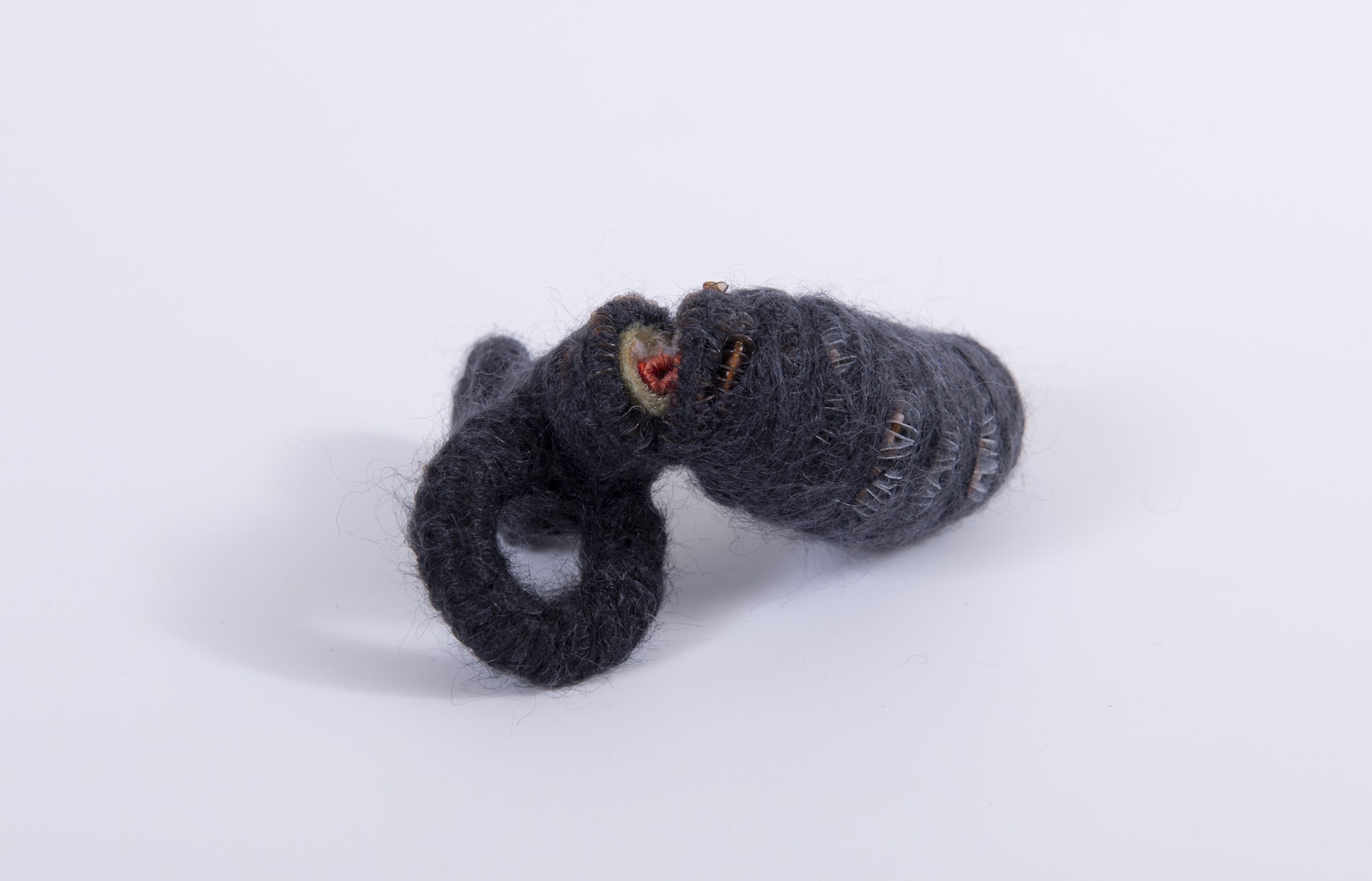
In ‘Sometimes one says ‘I have to go’ without needing to be anywhere else’, there are works that directly relate to her experiences of abuse and assault. Not talking about this part of Simone’s work obscures an important aspect that contributes to its artistic value: Simone’s works are not just about sexual abuse; it offers pathways to understanding—both for those who have experienced sexual abuse themselves and for others who, statistically, are very likely to encounter its impact in other ways. Not talking about it perpetuates the harmful idea that sexual assault (especially when it happens in family circles) is so deeply disgraceful and taboo that it is better not talked about. Doing this protects the perpetrators whilst shaming the survivors into silence and isolation.
So, The Little Machine is organising a two-part event that addresses the subject of sexual assault, rape, and incest in and through art. The program will begin with a talk by me, Dr Eleen Deprez, touching on the philosophy, art history, and feminist and queer perspectives around the representation of sexual assault in visual art and culture. We will examine both the harmful (works that depicts or sexualises rape and assault), the castigatory (work that criticises or reprimands perpetrators or the system that protects them), and the reparative (work that seeks healing or closure for survivors of sexual assault). We will also talk about how oppressive systems like colonialism, racism, and sexism, have co-opted the fight against sexual assault as a way to reinforce stereotypes, fear mongering, anti-immigration rhetoric, or control. The second part of ‘No Flowers’ is an artist talk by Simone Kennedy about her work.
‘No flowers’ (a literal translation of the Dutch ‘onverbloemd’ meaning outspoken, straightforward) makes space for difficult conversations that are important to have. It also rejects the pedestal that many survivors are put on if they decide to speak. Throughout art history, female victims have been made into monuments: often freezing them in the very moment of their victimisation. Gisèle Pelicot became a global icon and heroin when she decided to face a public trial. Whilst she was very grateful for the support she received she has spoken since how she refuses the narrative around her case as that of an epic singular battle and the image of herself as a martyr.
Program
2pm: Talk by Eleen Deprez
3pm: Tea and Coffee
3:30pm: Artist talk by Simone Kennedy
All are welcome.
Please RSVP
We understand that the discussions on the day can be difficult or triggering for people in attendance. We have gathered links to the following services that are available for those who may need it.
Child Sexual Abuse Counselling Service: This service can be accessed by children, young people and adults who have survived child sexual abuse. The survivor’s partner, carers and family members can also access the service. Priority groups are children, young people and parents-to-be. Phone: 1800 408 408 Email: csacounselling@rasa.org.au
Yarrow Place: Victims of rape and sexual assault can make use of the resources provided by Yarrow Place, which offers free, gender inclusive, confidential support to anyone living in South Australia aged 16 years and over at the time of experiencing rape or sexual assault. Their phone number is: 1800 817 421
SAMSN: Survivors and Mates Support Network: provides support to adult males (18 and above) who were sexually abused when they were children or young people, as well as to family members and supporters. Phone: 1800 4 SAMSN (72 676) Email: support@samsn.org.au
1800 Respect: 1800Respect is a counselling helpline, information and support to anyone whose life has been impacted by sexual assault, domestic or family violence. The service is available 24 hours a day, 7 days a week. Phone: 1800 737 732
Shine SA Sexual Healthline: ShineSA is a confidential service where you can talk to someone about your sexual health. The service is available Monday to Friday, from 9am to 12.30pm. Phone: 1300 883 793 or 1800 188 171 (country callers only) They also provide clinical and counselling services. To make an appointment phone 8300 5300
Pregnancy Advisory Centre: The Pregnancy Advisory Centre provides women in South Australia with information about pregnancy and a safe abortion service. Counsellors are trained social workers and abortions are provided by qualified, non-judgmental medical staff. Counselling and abortion services are free, provided at no cost to clients. Contraception is also provided at minimal cost for women accessing an abortion. The Centre is open Monday to Friday 9am to 4pm. Phone: 8243 3999 or 1800 672 966 Address: 21 Belmore Terrace, Woodville
Adelaide Sexual Health Centre: The Adelaide Sexual Health Centre offers a walk-in, free and confidential testing, diagnosis and treatment of sexually transmitted infections (STIs), including HIV. You don’t need an appointment. Phone: 7117 2800 Address: 1st Floor 275 North Terrace, Adelaide
Image: Simone Kennedy, Stage 7D (Daughter) Ransom, (Tool for Life – Time 7/26) Psychosocial Assets, Pilgrimage to Imago, 2021. Wool silk/mohair, cotton, wishbone, red silk thread, Size M (Wedding Ring). Photo: Sophie Cunningham.